

As Governments Race to Regulate AI, a New Book Offers the Framework Leaders Have Been Missing
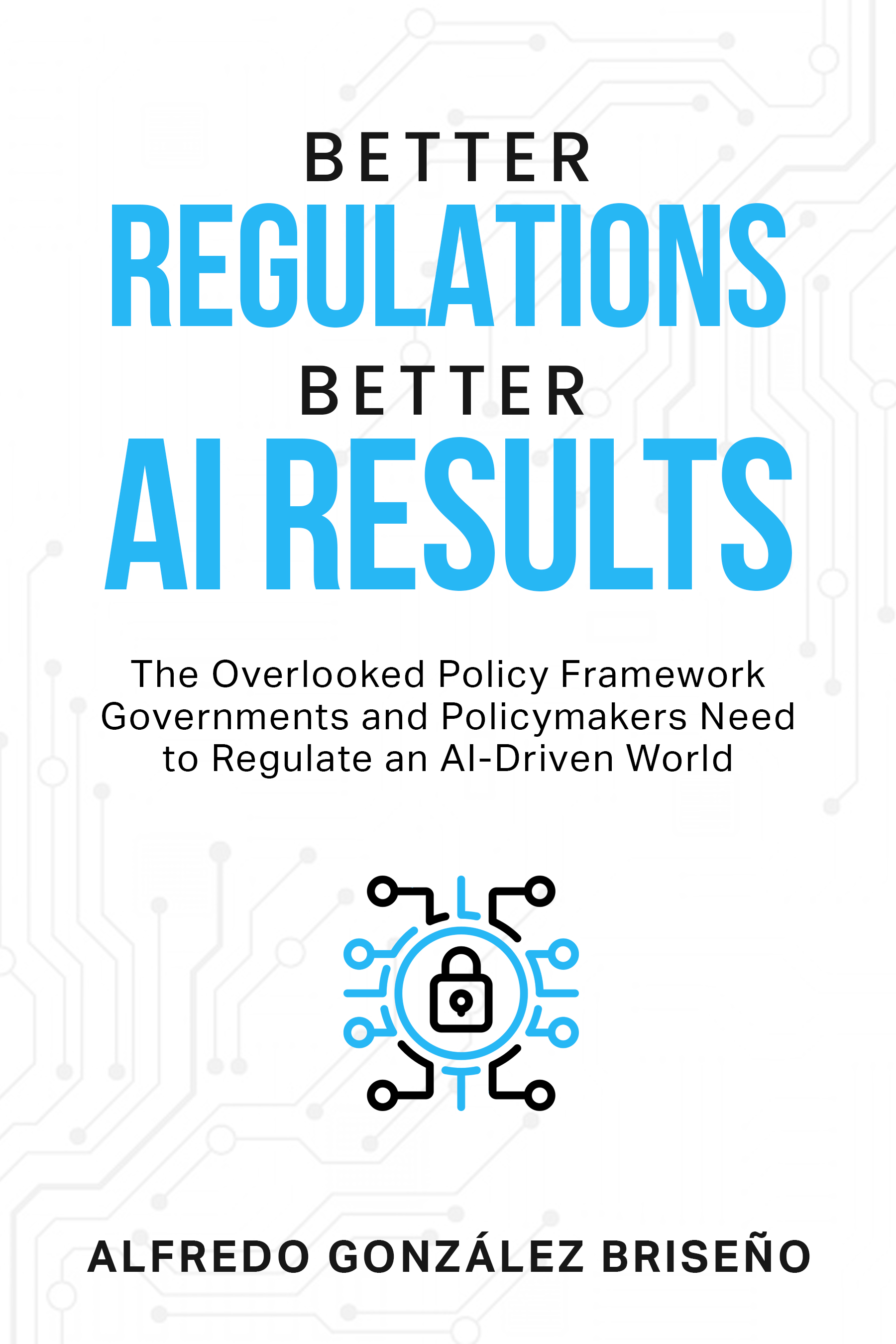
Better Regulations, Better AI Result
International policy advisor, Alfredo González Briseño, delivers a practical playbook for smarter AI governance as global regulation reaches a tipping point
VA, UNITED STATES, April 29, 2026 /EINPresswire.com/ -- Governments around the world are facing pressure and challenges to regulate artificial intelligence. The European Union’s AI Act is already in force. The United States, China, and many other nations are drafting and passing their own rules. And yet most policymakers are still flying blind and acting rushed, without the tools, frameworks, or institutional knowledge to regulate a technology that is evolving faster than any law can keep pace with.
That gap has consequences. Over-regulate, and you drive innovation offshore. Under-regulate, and you expose citizens to algorithmic bias, decisions from black boxes, and many other systemic risks.
Better Regulations, Better AI Results, the new book by policy innovator Alfredo González Briseño, bridges that gap, giving policymakers, regulators, and technology leaders a concrete, proven framework for designing a balanced AI governance to get better outcomes from AI.
A Playbook Built From the Inside
González Briseño spent many years advising governments worldwide through multilateral development banks, helping institutions design regulatory frameworks that are both efficient, predictable, and transparent. Better Regulations, Better AI Results distills that experience into an accessible, actionable and easy-to-understand guide for anyone charged with making decisions about AI, whether in a legislature, a regulatory agency, or a boardroom.
At the heart of the book is the BRAIn Canvas, a new and proprietary strategic framework that helps leaders and their teams collaborate, map regulatory gaps, set clear priorities, and build adaptive policies and plans capable of keeping pace with technological change. Unlike abstract academic models, the BRAIn Canvas is designed to be deployed in real institutional settings by real decision-makers working under real pressure and constraints.
What Readers Will Take Away
Written for policymakers, regulators, technology executives, and innovation leaders, the book gives readers the tools to:
• Identify risks and critical gaps in existing regulatory systems
• Design AI regulations that protect the public without stifling growth
• Apply the BRAIn Canvas framework directly to their own policy challenges
• Future-proof governance structures as AI and innovation continues to evolve
From healthcare and finance to education and national security, artificial intelligence is already reshaping the foundations of how societies function. Better Regulations, Better AI Results gives leaders a clearer, more confident path forward, whether they advocate for more or less AI regulation.
About the Author
Alfredo González Briseño is a policy innovator and regulatory governance specialist with deep expertise in artificial intelligence policy. He has advised governments across multiple continents through leading multilateral development banks, including the World Bank, helping design regulatory frameworks that balance accountability with economic dynamism. With his background in engineering and public policy, Alfredo is recognized as a bridge between the technical world of AI development and the institutional world of governance.
Book Details
Title: Better Regulations, Better AI Results
Author: Alfredo González Briseño
Publisher: The Publishing Pad
Release Date: April 30, 2026
Availability: Available on https://alfredogb.com/, Barnes & Noble and major online retailers worldwide
Alfredo González Briseño
Fairly Simple
alfredo@alfredogb.com
Visit us on social media:
LinkedIn
Better Regulations, Better AI Results | Official Book Trailer
Legal Disclaimer:
EIN Presswire provides this news content "as is" without warranty of any kind. We do not accept any responsibility or liability for the accuracy, content, images, videos, licenses, completeness, legality, or reliability of the information contained in this article. If you have any complaints or copyright issues related to this article, kindly contact the author above.
